
Dried Herbs: How to Choose, Store, and Use Them

A jar of dried herbs can turn a plain pot of beans, a sheet-pan dinner, or a quiet evening cup of tea into something more fragrant and considered. But dried herbs are not all interchangeable. Their flavor, aroma, intended use, and staying power depend on the plant, how it was handled after harvest, and how it is stored once it reaches your pantry.
For everyday use, dried herbs offer a practical middle ground between convenience and character. They are ready when fresh bunches are not, easy to keep on hand, and capable of bringing a distinct sense of place to food and rituals. The key is choosing them thoughtfully, then using them in ways that suit their format.
What Dried Herbs Actually Offer
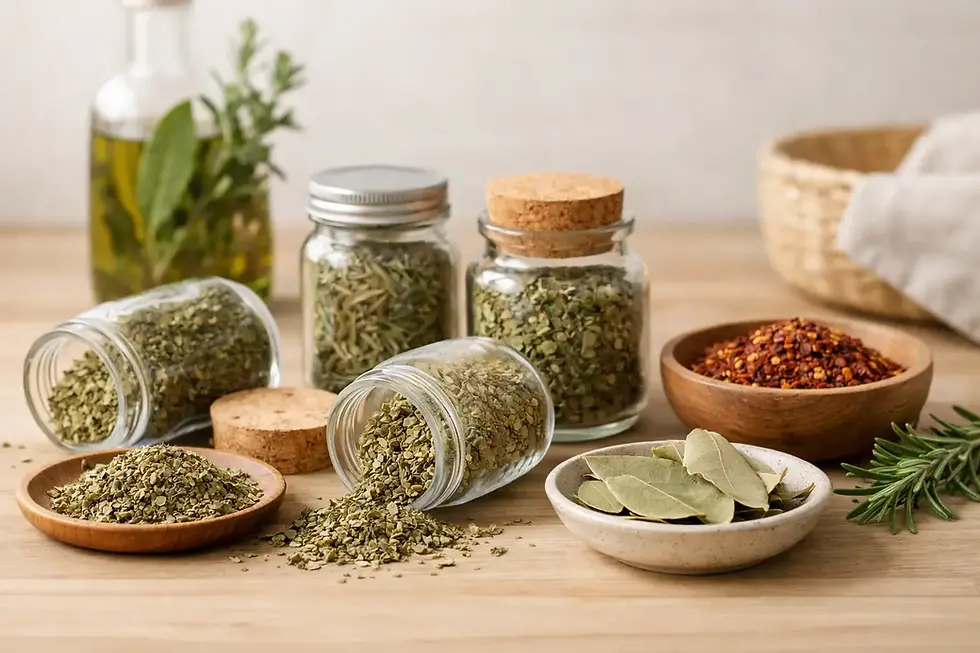
Drying removes moisture from leaves, flowers, and other plant materials so they can be stored longer. It also changes the ingredient. Some delicate, bright notes found in fresh herbs soften during drying, while deeper, woodsy qualities can become more concentrated. That is why dried oregano, thyme, rosemary, sage, and bay leaf feel so at home in soups, sauces, roasted vegetables, and slow-cooked dishes.
Dried herbs are often confused with spices, but the terms are not quite the same. Herbs usually come from the leafy or flowering parts of a plant, while spices commonly come from seeds, bark, roots, or fruit. There are exceptions, and both belong in a well-stocked pantry, but the distinction is useful when reading labels and planning recipes.
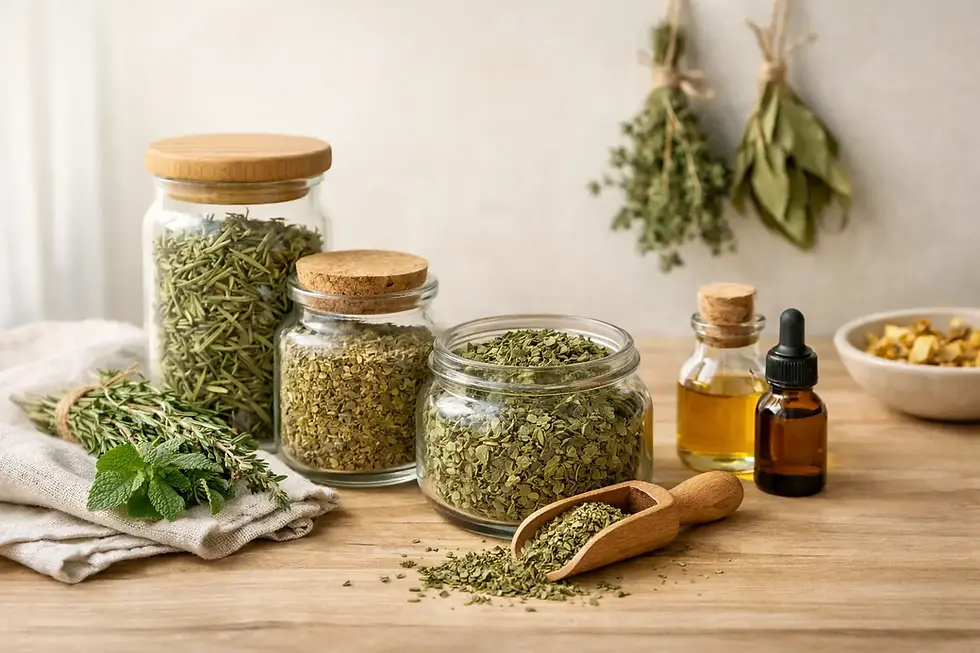
For cooking, dried herbs are valued for dependable flavor without last-minute shopping. For tea and botanical blends, they can also offer aroma, warmth, and a slower-paced preparation ritual. A chamomile flower, peppermint leaf, or lemon balm infusion is a different experience from a culinary seasoning blend, even though both begin with dried plant material.
How to Choose Quality Dried Herbs
Start with the ingredient itself. A clear label should tell you exactly what is in the package, whether it is a single herb or a blend. For a single-ingredient product, look for a recognizable common name and, when available, the botanical name. This is especially helpful with herbs used for infusions, where accurate identification matters.
A quality dried herb should still have a noticeable aroma when you open the container. It will not smell exactly like a freshly picked leaf, but it should smell characteristic and alive rather than dusty, flat, or musty. Color can offer a clue too. Leaves may naturally darken as they dry, yet a jar filled with gray-brown powder or a heavy layer of crumbs may have spent too long in storage or been handled roughly.
Whole or lightly cut herbs generally retain their character longer than finely ground forms because less surface area is exposed to air. That does not make ground herbs inferior. They are useful when you want quick, even distribution in a rub, dressing, or sauce. It simply means they benefit from buying in smaller quantities and using them sooner.
Packaging deserves attention as well. Light, heat, moisture, and oxygen all gradually diminish aroma and flavor. Opaque, resealable packaging or dark glass containers can help protect the contents. For shoppers who care about materials as much as ingredients, packaging choices are also part of the larger picture: ideally, the container should protect the herbs effectively while using materials sensibly.
If an herb is described as organic, wildcrafted, or sustainably sourced, treat those terms as useful details to verify, not shortcuts for judging the whole product. Transparent sourcing, clear ingredient information, and sensible packaging tell a more complete story together.
Storing Dried Herbs for Better Flavor
The cabinet above the stove is convenient, but it is rarely the best place for dried herbs. Frequent heat and steam can shorten their useful life. Instead, keep them in a cool, dry, dark cupboard away from the dishwasher, oven, and sunny windows.
Tightly close the package or transfer the herbs to a clean, dry, airtight container. Avoid shaking a jar directly over a steaming pot. Moisture can enter the container and cause clumping, so measure into your hand or a spoon first. A simple label with the purchase or opening date makes it easier to use older jars before opening new ones.
There is no single expiration day when every dried herb suddenly loses value. As a practical guideline, many leafy culinary herbs offer their best aroma and flavor within roughly six to 12 months after opening, although the herb, cut size, packaging, and storage conditions can make a significant difference. Whole leaves and heartier herbs may remain enjoyable longer. If the aroma has faded but the herb is otherwise dry and shows no signs of spoilage, you may need a little more for cooking — or replace it when the herb is central to the dish.
For teas and botanicals, follow the storage guidance on the package. Keep the product dry, and discard it if you notice signs of moisture, an off smell, or visible spoilage.
Using Dried Herbs in Everyday Cooking
Dried herbs need a little time and moisture to open up. Add sturdy herbs such as thyme, oregano, rosemary, sage, and bay leaf early in the cooking process so they can infuse a soup, braise, tomato sauce, or grain dish. This is where dried forms often shine: long, gentle cooking rounds out their flavor.
Delicate herbs such as parsley, dill, chives, and cilantro tend to lose more of their fresh personality when dried. They can still be useful in dips, dressings, egg dishes, or seasoning blends, but a fresh garnish may be the better choice when you want a clean, green finish.
When substituting dried herbs for fresh, begin with about one-third of the amount called for in a recipe. One tablespoon of fresh chopped herbs is roughly equal to one teaspoon of dried herbs. This is a starting point, not a rule carved in stone. A newly opened jar may be more aromatic than one that has been in the pantry for months, and some recipes welcome a bolder hand than others.
Try rubbing a pinch of dried leaf herbs between your palms before adding them to a dish. The gentle pressure releases aromatic oils and helps wake up the scent. For a vinaigrette or quick sauce, let dried herbs sit in the liquid for 10 to 15 minutes before tasting. They need more time than fresh leaves to soften and share their flavor.
Dried Herbs for Tea and Home Rituals
Not every culinary herb is automatically suited for tea, and not every herb sold for tea belongs in a dinner recipe. Choose products labeled for their intended use, particularly when preparing an infusion. Choose botanicals that are clearly identified and specifically sold and labeled for food or beverage use.
A simple herbal infusion begins with fresh, filtered water and a covered mug or teapot. Covering matters because aromatic compounds can escape with the steam. Steeping time varies by plant and cut size, so package directions are a helpful starting point. Taste before extending the steep, since a longer infusion may bring out more intensity or bitterness.
Dried peppermint can make a bright, cooling cup after a meal, while chamomile is often chosen for its gentle floral character at the end of the day. Ginger root, cinnamon, and citrus peel are technically spices or dried fruit rather than leafy herbs, but they pair beautifully with herbs in warming blends. The pleasure here is not about chasing a promised result. It is about building a small pause into the day with ingredients you can see, smell, and understand.
If you have a health condition, take medications, or have questions about whether a specific botanical is appropriate for you, check with a qualified healthcare professional before using it regularly.
Buy for the Way You Actually Cook
The most useful herb collection is not the largest one. It is the one that reflects your real routines. If you make tomato-based dishes often, oregano and basil may earn their space. If roasted vegetables are a weekly staple, rosemary, thyme, and sage may get used more quickly. If a nightly tea ritual matters to you, choose a few botanicals you genuinely enjoy rather than a crowded shelf of unfamiliar bags.
Buying smaller amounts can be a thoughtful choice, particularly for ground herbs or ingredients you only use occasionally. It reduces the chance of forgotten jars and gives you more opportunities to enjoy each ingredient while its aroma is still vivid. Refill options can be worthwhile when they are available and when you already know an herb fits your routine.
At Vitalé Naturals, thoughtful selection begins with the details that make daily choices easier: clear ingredients, intentional formats, and products that invite steady use rather than clutter.
The next time you reach for a dried herb, pause for a moment before the lid goes back on. Notice its scent, consider where it fits, and let that small pinch bring more care to whatever you are making.

Comments