
Can Dried Herbs Expire? Pantry Signs to Know
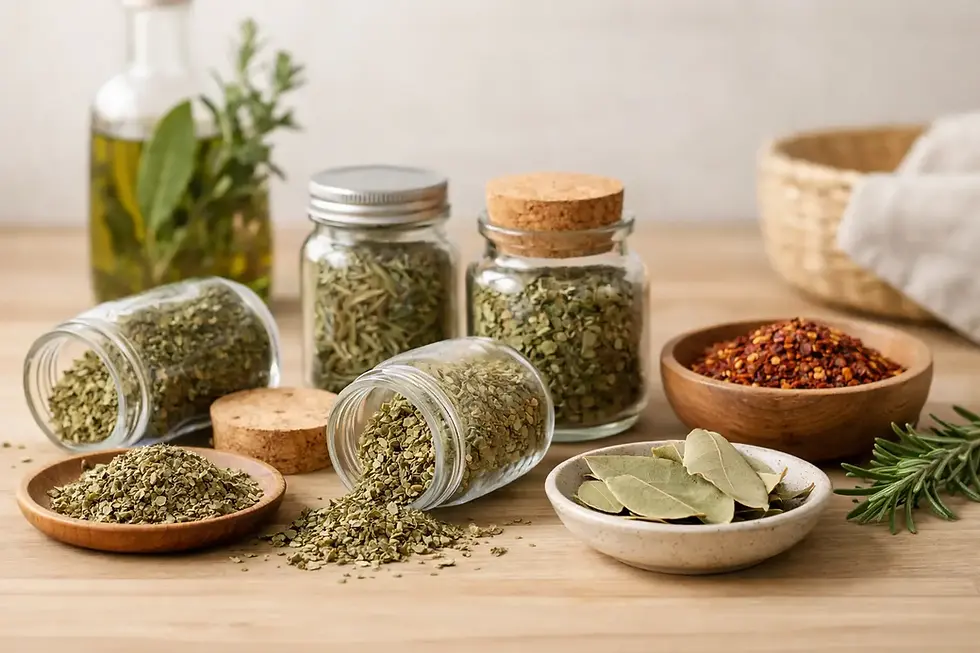
A forgotten jar of oregano is unlikely to become dangerous simply because it has sat behind the cinnamon for a few years. But when you open it and find a faint, dusty scent where a green, peppery aroma should be, it may no longer earn a place in dinner. So, can dried herbs expire? Not in quite the same way as fresh food, but they do gradually lose the color, aroma, and flavor that make them worth using.
For home cooks, tea drinkers, and anyone building a more intentional pantry, the useful question is not whether a printed date is a hard deadline. It is whether the herb still delivers the character you bought it for. A well-stored leaf can remain pleasant beyond its best-by date, while an herb exposed to heat and humidity can lose its appeal much sooner.
Can Dried Herbs Expire or Do They Just Lose Potency?
Dried herbs are shelf-stable because most of their moisture has been removed. Without much water, the microbes that cause many fresh foods to spoil have a far harder time growing. That is why dried rosemary, peppermint, thyme, and chamomile can keep for months or years rather than days.
Still, shelf-stable does not mean unchanged. The natural aromatic compounds in herbs slowly fade when exposed to oxygen, light, warmth, and air. Their oils evaporate or break down over time. Green leaves can turn pale olive or brown, delicate floral notes can become flat, and a teaspoon that once scented a full pot of soup may barely register.
This is often described as a loss of potency. In the kitchen, that simply means less flavor and fragrance. For herbal infusions, it means a quieter cup with less of the plant’s recognizable aroma and character. If it has remained dry and shows no signs of spoilage or contamination, the herb may still be usable, but the flavor experience will not be the same.
Dates on packaged dried herbs are often best-by or best-quality dates rather than automatic discard dates. They reflect the period when the producer expects the product to be at its best under appropriate storage. A date is helpful context, but your senses and the herb’s storage history matter too.
How Long Do Dried Herbs Last?
There is no single timeline because plant type, cut size, packaging, and storage conditions all matter. Whole leaves and flowers tend to keep their aroma longer than finely ground herbs because less surface area is exposed to air. A tightly sealed pouch or opaque jar also offers more protection than a loose container opened every day beside the stove.
As a general kitchen guideline, dried leafy herbs are often at their best for one to three years. Ground herbs and powders commonly fade faster, often within one to two years. Whole seeds and roots may hold their fragrance longer, particularly when kept sealed and away from heat.
Herbal tea blends can vary. A blend with sturdy pieces of root, bark, or seed may stay enjoyable for longer than one built around fragile petals and leafy herbs. Ingredients with naturally aromatic oils, such as peppermint or lemon balm, can be especially noticeable when they have faded. The tea is not necessarily unusable, but the brewed cup may taste thin or muted.
The best approach is to treat these ranges as quality windows, not rigid rules. A two-year-old jar stored in a cool, dark cabinet may be more vibrant than a newer jar that spent a summer on a sunny counter.
Signs It Is Time to Replace a Dried Herb
Start with the aroma. Rub a small pinch between clean fingers, then smell it. A quality dried herb should have a recognizable scent, even if it is naturally subtle. If it smells pleasantly herbal but less intense than you remember, it may still work in a dish where the herb is not the star. If it has almost no scent at all, replacement is usually the better choice.
Color offers another clue. Fading is normal over time, especially for green herbs. However, an herb that is very dull, gray-brown, or noticeably unlike its original color has likely lost much of its character. Appearance alone is not a perfect test, but it is useful alongside scent and taste.
There are also clear reasons to discard dried herbs rather than trying to use them up:
Visible mold, fuzzy growth, or suspicious dark spots
A damp, clumped texture when the herb was meant to be loose and dry
A musty, sour, rancid, or otherwise off smell
Pantry pests, webbing, larvae, or insect activity
Evidence that water entered the package or container
Moisture changes the equation. If dried herbs become wet or repeatedly exposed to steam, they can clump and may develop mold even if the package date is recent. When there is any doubt about mold or contamination, it is best to throw the product away and clean the storage area before restocking.
A Simple Taste Test for Older Herbs
If a dried herb looks clean, smells normal, and has been kept dry, a quick taste test can help you decide whether it still deserves pantry space. Steep a small amount in hot water for a few minutes if it is intended for tea, or add a pinch to a spoonful of warm broth, oil, or a simple sauce if it is culinary.
Taste for clarity rather than intensity alone. Does the peppermint still feel cool and fresh? Does the basil offer a sweet, green note? Does the thyme smell woodsy and savory when warmed? If the result is merely subtle, you can use a little more, though adding large amounts of tired herbs does not always restore a balanced flavor.
When an herb tastes stale, papery, or oddly bitter, it is time to replace it. This is particularly true for recipes where the herb carries the dish, such as an herb-forward vinaigrette, a simple tomato sauce, or a calming evening infusion. Freshly aromatic ingredients make a noticeable difference in uncomplicated preparations.
How to Store Dried Herbs for Better Flavor
The goal is simple: protect herbs from air, light, heat, and moisture. A cool, dark cabinet away from the range, dishwasher, and direct sunlight is usually a better choice than an open shelf or countertop rack. The space above a stove may look convenient, but warmth and steam can shorten an herb’s flavorful life.
Keep herbs in airtight containers whenever possible. Dark glass jars, metal tins, or well-sealed pouches all work well, provided they are clean and completely dry. If you buy a larger bag of dried herbs, consider keeping only a small working amount in a jar and storing the rest sealed in a cool cabinet. Opening a smaller container daily exposes less of your supply to air.
Use a dry spoon each time. It is a small habit with real value, especially around tea kettles and simmering pots. Avoid shaking a spice jar directly over steaming food, too, since rising moisture can travel into the container.
Labeling helps more than many people expect. Write the purchase or opening month on the package, particularly for herbs that look similar once dried. This makes it easier to rotate your collection and use older herbs first. It also brings a little order to a pantry built around everyday rituals rather than last-minute guesswork.
Buying Amounts That Fit Your Routine
Large bags can be practical for herbs you use weekly, such as oregano, rosemary, turmeric, or peppermint. For an ingredient you reach for only during holiday baking or a specific recipe, a smaller amount is often the more thoughtful choice. Buying less can mean less waste and a better chance of enjoying the herb while it is still fragrant.
Consider format as well. Whole leaf herbs are often a smart option when you have the time to crumble or grind them just before use. Their aroma may last longer, and the moment of crushing a leaf between your fingers brings a welcome freshness to cooking. Pre-ground herbs offer convenience, which can be exactly right for busy weekday meals, but they usually deserve quicker rotation.
Quality sourcing and careful packaging can give dried herbs a strong start, yet no package can fully stop the natural passage of time once it is opened. Store what you have with care, notice how it smells, and let your meals and mugs be the final measure. A pantry of herbs does not need to be perfect. It only needs to hold ingredients you are genuinely glad to use.


Comments