
How to Store Dried Herbs for Lasting Flavor
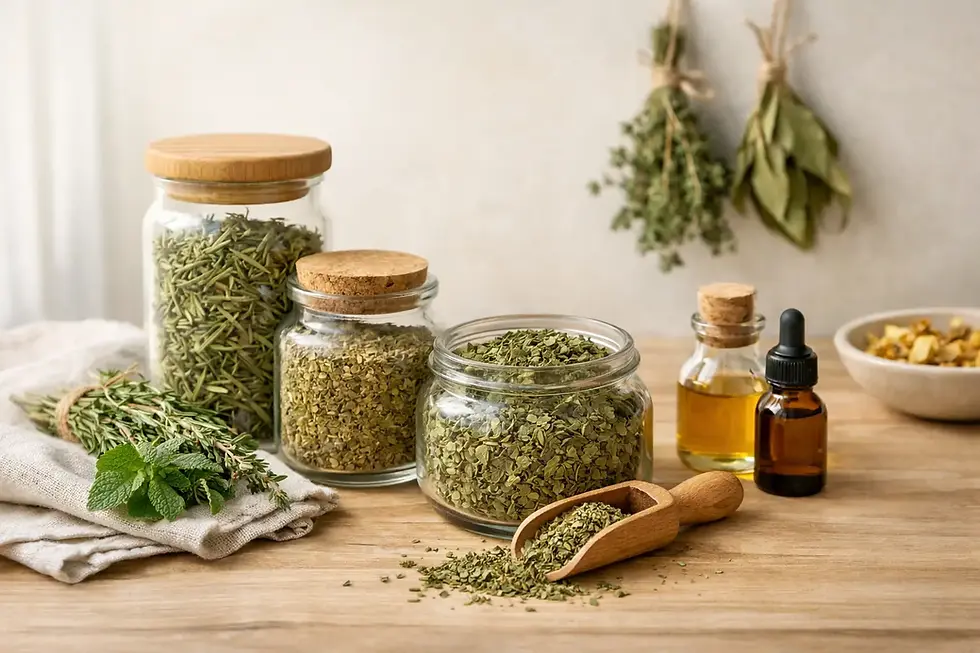
A jar of dried oregano can look perfectly fine long after its character has faded. Knowing how to store dried herbs is less about extending a date on the label and more about protecting the fragrant oils that give each leaf, flower, seed, or root its aroma and flavor. A few thoughtful choices can help your pantry staples stay more vibrant from one pot of soup to the next.
What Dried Herbs Need Most
Dried herbs keep best when they are protected from four things: light, heat, moisture, and air. Each can gradually diminish the qualities you notice when you open a fresh packet - the color, fragrance, and distinct flavor that makes basil smell sweet or rosemary smell piney.
This is why a clear jar beside a sunny stove, while convenient, is not the ideal long-term home. Light can fade delicate leaves, heat encourages aromatic compounds to dissipate, and steam from cooking can introduce moisture every time the container is opened.
A cool, dark, dry cupboard away from the range, dishwasher, oven, and kitchen sink is usually the best place. A pantry shelf or closed cabinet is more useful than a countertop display when freshness is the goal.
How to Store Dried Herbs in the Right Container
An airtight container is the foundation of good herb storage. Glass jars with snug, well-fitting lids are a reliable choice because they do not hold onto odors and make it easy to see what is inside. Choose amber or other dark glass if your herbs will live in an open area with some light exposure.
Opaque tins and food-safe metal containers also work well, particularly for light-sensitive herbs. The key is a secure seal and a clean, completely dry interior. If you reuse a jar, wash it thoroughly and let it dry fully before filling it. Even a small amount of trapped moisture can cause clumping and, in some cases, spoilage.
Original packaging can be suitable when it is resealable and designed to block light. Once a bag has been opened, press out excess air before sealing it. If the closure is flimsy or the package has become difficult to reseal, move the herbs into a smaller airtight container instead.
Container size matters more than it may seem. A very large jar with only a spoonful of thyme leaves leaves room for more air each time it is opened. Select a container that comfortably fits the amount you have, then refill as needed. For frequently used herbs, a small working jar and a separate, tightly closed backup container can be a practical setup.
Whole Herbs Keep Their Character Longer
Whenever possible, buy or store dried herbs in larger pieces rather than as a fine powder. Whole leaves and flowers have less exposed surface area, so their aroma tends to last longer. Crumble dried rosemary, sage, or oregano between your fingers just before cooking to release more of their fragrance.
Ground spices and powdered herbs are still convenient for many recipes. They simply benefit from smaller purchases and more regular replacement. If a recipe calls for a powdered herb, grind a small portion rather than processing an entire supply at once.
Keep Moisture Out of the Jar
Moisture is the most immediate storage concern because dried herbs are meant to remain dry. Avoid shaking herbs directly from their container over a simmering pot, kettle, or skillet. Rising steam can enter the jar and collect around the lid, even if the contents do not look wet at first.
Instead, measure what you need into a dry spoon, a small dish, or the palm of your hand away from the heat. Return the lid promptly. This small habit also reduces the amount of air and kitchen humidity that reaches the rest of the herb.
Use only clean, dry measuring spoons. A spoon that has touched broth, oil, or a wet countertop can introduce enough moisture to make dried leaves stick together. If an herb has obvious damp clumps, a musty smell, or visible mold, discard it rather than trying to dry it out again.
Should You Refrigerate or Freeze Dried Herbs?
For most home kitchens, refrigeration is not the best answer. Refrigerators and freezers can create condensation when containers are brought into a warmer room. That change in temperature can expose dried herbs to the very moisture you are trying to avoid.
A consistently cool cabinet is generally better than a refrigerator for dried culinary herbs, herbal tea ingredients, and most dried botanicals. The exception may be a very hot or humid home with no cool pantry space, but only if the herbs are packed in truly airtight containers and allowed to return to room temperature before opening. In many cases, a closed interior cabinet remains the simpler and more dependable choice.
Do not confuse dried herbs with fresh herbs. Fresh parsley, cilantro, and mint have entirely different storage needs and are best treated as perishable produce. Dried herbs should feel crisp or papery, not chilled and damp.
Label Every Container
Labels prevent an avoidable pantry mystery. Include the herb name and the month and year it was opened or transferred. If you purchase from a trusted source with harvest or packaging details, recording that information can be useful too, especially for herbs you use only occasionally.
This matters when several green herbs begin to look alike in a cabinet. It also makes rotation easy: place older containers toward the front and newer ones behind them. Buying enough for your usual cooking, tea, or home herbal routine is often wiser than buying a large quantity that will sit untouched for years.
For blends, write down the ingredients if they are not already printed on the package. This is helpful for repeatable recipes and for households that prefer clear ingredient awareness.
How Long Do Dried Herbs Last?
Dried herbs do not suddenly become useless on a particular day. With careful storage, many leafy herbs keep their best flavor for about one to two years. Seeds, roots, bark, and whole spices often hold their aroma longer, sometimes two to three years or more, depending on their form and storage conditions.
Still, a printed best-by date is only one guide. Your senses are more useful. Open the jar and rub a small pinch between clean fingers. If the herb releases a recognizable, pleasant aroma and retains some natural color, it is likely still worth using. If it smells faint, dusty, or flat, it may not add much to a dish.
Faded herbs are not necessarily unsafe simply because they are old, provided they have stayed dry and free of mold or pests. But flavor is the reason to keep them. Replace herbs that no longer bring a noticeable aroma, especially when they are central to a recipe.
A Simple Pantry Routine for Better Herbs
The easiest system is one you will actually maintain. Store your everyday favorites in small airtight jars in a dark cabinet. Keep reserve packages sealed until needed. Measure away from steam, close containers right away, and give the cabinet a quick review once or twice a year.
For dried herbs used in tea blends, culinary preparations, or thoughtful daily rituals, freshness changes the experience. A well-stored chamomile flower can smell softly apple-like; a good peppermint leaf can still feel bright and clean before it reaches the cup. Quality begins with thoughtful selection, but it is preserved at home through the quiet details of storage.
Treat your herb shelf as a working part of the kitchen, not a collection to forget. A dark cabinet, a dry spoon, and a clear label are small rituals that help each jar offer its best when you reach for it.


Comments