
Refillable Beauty Products That Make Sense
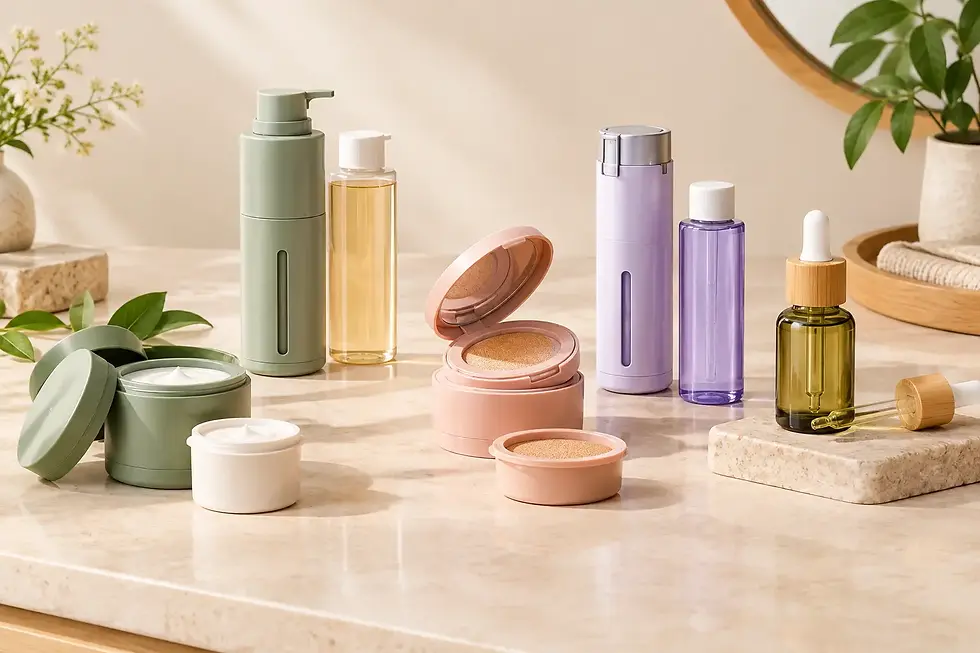
A nearly empty face wash bottle is easy to overlook until it joins the growing collection beneath the bathroom sink. Refillable beauty products offer a more considered alternative: keep the well-designed container you already own, then replenish the formula when it is gone. Yet a refill is only genuinely useful when it is easy to use, compatible with the original package, and suited to the way you actually care for yourself.
For people building a lower-waste personal-care routine, refillable formats can be a meaningful place to start. They can reduce the need for repeated pumps, caps, jars, and outer cartons while keeping everyday favorites close at hand. The details matter, though. A beautiful reusable vessel is not automatically the better choice if refills are hard to access, create excessive packaging of their own, or encourage product waste.
What Refillable Beauty Products Really Mean
A refillable beauty product has two parts: a durable primary container and a replacement format that replenishes it. The replacement may be a lightweight pouch, a simplified refill bottle, a concentrate, a cartridge, or a solid bar used with a reusable case. Common refillable categories include hand soap, body wash, shampoo, conditioner, deodorant, skincare, fragrance, and color cosmetics.
Not every product labeled "refill" works the same way. Some systems ask you to pour a formula from a pouch into your original bottle. Others use a sealed insert that clicks into place. A few offer return-and-refill programs, where a container is cleaned and filled again by the brand. These approaches have different practical and environmental considerations, so it helps to look beyond the word on the label.
The central benefit is simple: a container designed to last can be used for more than one purchase cycle. The more times it is reused, the more the upfront materials in a heavier glass jar, metal case, or sturdy pump can be spread across the life of the product. That said, refillable packaging is not a free pass. Materials, transportation, refill pouches, recycling options, and how long you keep the container all shape the result.
Where Refills Work Best in a Routine
Refills tend to make the most sense for products you use consistently and finish at a predictable pace. Hand soap by the kitchen sink, a daily cleanser, body lotion, or a familiar shampoo are often practical candidates. You know whether you enjoy the texture and scent, and you are less likely to leave a half-used product behind.
Fragrance and cosmetics can also be refillable, but they call for a little more consideration. A refillable lipstick case or compact may be satisfying to use for years, especially when the brand continues to offer compatible shades or pans. A refillable perfume bottle can reduce repeat packaging, but only if you expect to reach for that scent often enough. In these categories, the longevity of the system matters as much as the longevity of the package.
Products with shorter use windows or a tendency to pile up may be less ideal. If you enjoy sampling several serums at once or regularly change your hair routine, smaller conventional packages may prevent unused formula from expiring. Thoughtful consumption is not about forcing every item into a refill model. It is about choosing the format that helps you use what you buy.
How to Evaluate a Refill System Before Buying
The most useful refill systems are clear about what is reusable, what is replaced, and what to do with each component afterward. Before bringing one home, consider a few grounded questions.
Is the original container made to last? Look for a durable pump, secure closure, and a design that can withstand regular cleaning and handling.
Can you easily get the refill? A system only works when replacement formats remain available and are straightforward to order or find.
How much product does the refill provide? Compare ounces, uses, and cost per refill rather than assuming a pouch is automatically a better value.
What material is the refill made from? Flexible pouches use less material than rigid bottles in many cases, but local recycling access for them can be limited.
Are instructions specific? Good guidance should explain whether the container needs washing, drying, or simply exchanging before the next refill.
Ingredient transparency deserves equal attention. A refill format does not replace the need to read the ingredient list, understand the product’s intended use, and choose a formula that feels appropriate for your preferences. For products that sit on the skin or are used around the eyes, reliable labeling, batch information, and proper storage directions are especially valuable.
Clean Handling Protects the Product Experience
The refill step is where a promising concept can become messy. If a bottle is being refilled with a pourable formula, follow the brand’s directions rather than relying on a universal rule. Some brands design their systems to be refilled without washing, while others recommend cleaning the vessel between uses.
When washing is advised by the brand, follow its cleaning instructions carefully. If mild soap and water are recommended, rinse thoroughly and allow the container to dry completely before refilling. Residual water can change a product’s texture or interfere with the preservation system designed for its original formula. Avoid decanting a refill into a container that once held a different product unless the manufacturer specifically says it is suitable.
Keep the original label or note the product name and date of refill. This small habit is useful when several bottles look alike, and it makes it easier to follow shelf-life guidance. Store products away from excessive heat and direct sun when possible, particularly formulas with botanical extracts, essential oils, or more delicate aromatic notes.
Avoid topping off a partly used container with fresh product unless the brand specifically designs the system for that purpose.
A Word on Pumps, Jars, and Packaging Wear
Reusable packaging needs honest maintenance. Pumps can clog, hinges can loosen, and jars may chip. If a component stops working, check whether the brand offers a replacement pump or insert before discarding the entire package. If it does not, use the available recycling guidance for your area and choose the next system with repairability in mind.
Jars can be appealing, but they are not always the lowest-maintenance option. Scooping a product with wet fingers can introduce water and residue, so a clean spatula or dry hands may be preferable when the product directions call for it. Airless pumps and sealed refill cartridges can offer a tidier experience for people who want less direct contact with the formula.
The Trade-Offs Worth Knowing
Refillable beauty products are often presented as an obvious improvement, but the better choice depends on the entire system. A weighty glass bottle may feel premium and last for years, yet shipping it initially requires more energy than shipping a lightweight bottle. A compact refill pouch may use fewer resources, while also being difficult to recycle curbside. A refill counter at a local store can minimize shipping materials, but it is not convenient or available for everyone.
There is also the question of compatibility. Brands occasionally update pumps, bottle shapes, or formulas, and an older vessel may no longer fit a newer refill. Before committing to a reusable case or bottle, check whether the brand explains its long-term refill plan. Clear compatibility information is a sign of a system designed for repeat use rather than a passing packaging trend.
Price can vary, too. The first purchase may cost more because it includes the reusable container. Later refills may be less expensive, similarly priced, or occasionally more expensive when specialized packaging and fulfillment are involved. The best value is not always the lowest sticker price. It is the product you enjoy using fully, in a format you can continue to refill without friction.
Building a Refill Routine That Lasts
Start with one or two high-use products rather than replacing everything at once. A hand wash, body wash, or shampoo is a manageable test because you can quickly learn whether the refill process fits your home. Keep an empty backup container only if you have space and know you will use it. Otherwise, refilling one bottle at a time keeps the counter calmer and prevents forgotten products from collecting dust.
It can also help to pair refill purchases with the rhythm of your household. Notice how many weeks a cleanser or lotion lasts, then order a replacement before the last few uses rather than stockpiling several. This approach supports a more intentional cabinet: fewer duplicates, clearer product rotation, and a better chance of enjoying each formula at its best.
At Vitalé Naturals, thoughtful personal care begins with the choices that hold up in ordinary life. A refill system does not need to be perfect to be worthwhile. Choose one that respects the formula, fits your habits, and makes it a little easier to use less without asking you to give up the small rituals that make self-care feel like your own.


Comments